
"Arabic traditions"
400 article(s) found

Arabica coffee bean variety Arabica variety
Arabica bean scientific name: coffea arabica (Arabica bean) family: Rubiaceae coffee tree can be divided into two main varieties: Arabica species (coffea arabica) and Robusta species (coffea robusta/coffea canephora) (rare on the market). Arabica (Coffea arabica) is the most traditional Arabica coffee variety. Originated in the east

Bolivian Snow vein Manor Coffee Grinding degree, taste and flavor description manor introduction
The advantage of Bolivian coffee lies in its high altitude and excellent varieties of coffee, where the traditional Tibica and a small amount of Kaddura are highly valued in the world market. In the past, coffee trees in Bolivia used to act as hedges and ornaments around the garden. Real commercial production began in the early 1950s. The great frost in 1957 seriously damaged Pakistan.

Yejia Xuefei is treated according to coffee and raw beans.
Follow the caf é (Wechat official account vdailycom) found that the beautiful cafe opened a small shop of its own. Traditionally, Yega Snow Cafe uses the oldest tanning treatment, but in 1972, Ethiopia introduced Central and South American washing technology to improve its quality, which made the jasmine and citrus fragrance of Yega Chet more clear and refined, and became the best and exquisite water of the world's boutique beans.

The practice of Brazilian coffee with mellow taste an introduction to the origin and flavor culture of Brazilian coffee
Brazilian coffee is baked individually: more and more people are fond of roasting their own coffee beans, because usually after roasting, they can only keep their freshness for 1-7 days, and then they begin to stale, leaving only bitterness and no mellow taste. Therefore, self-baking can ensure the freshness of coffee beans. The traditional roaster is drum type, this kind of roaster

Bolivian Coffee Bean Flavor Bolivia Coffee Manor South America is rich in coffee beans, Bolivia
South America is rich in coffee beans, and Bolivia is no exception. The unique tropical rain forest environment in some parts of Bolivia provides excellent natural conditions for the growth of organic coffee. The aroma of Bolivian coffee is rich and unique, both the aroma of ground beans and the aroma of coffee are obviously rich, similar to the mixture of flower and fruit aroma, which is impressive.

Yemeni coffee features Yemeni coffee flavor
Coffee has been a traditional export product of Yemen for hundreds of years, and it is still one of the most important cash crops and export products of Yemen. Statistics show that among the top 30 exports of Yemen in 2000, cooked coffee beans, raw coffee beans and coffee shells ranked second, eighth and 21st respectively, with a total value of about $17.5 million, of which raw coffee was about $12.25 million.

Introduction of two treatment methods of Yejiaxuefei Coffee
The phrase "coffee entrance and flowers in full bloom" is best described, just as flowers promote the comfort of taste buds and olfactory cells in the nasal cavity. In addition to the fragrance of flowers, the delicate thickness of body, like silk massage in the mouth, feels wonderful. At present, many coffee chemists begin to study the microclimate and soil and water around Yega Xuefei, in order to sum up the planting equation of fine coffee. -above

Description of Coffee Flavor in Hasunda Coffee Garden in Ecuador
Between Colombia and Peru, Ecuador, which passes through the equator, is one of the few countries in South America that produces both Arabica and robastian coffee. In fact, Ecuador means the Spanish equator. Due to the use of old-fashioned traditional harvesting and handling methods, Ecuadorian coffee is not listed as a boutique coffee, so it is generally rarely seen.

Will coffee be your only motivation to travel?
Coffee may not be the only motivation and reason for you to travel, but it is a meaningful mental journey. The hotlines promoted by major travel agencies in Guangzhou can really dig up a lot of unknown coffee culture. This shows that every trip you travel, each route is full of nutritious common sense, when you run all over the world, a lot of scenery are like

Yemen mocha coffee how to drink_Yemen mocha coffee price is how much_Mocha coffee origin profile
Professional coffee knowledge exchange More coffee bean information Please pay attention to coffee workshop (Weixin Official Accounts cafe_style) Although Ethiopia is the birthplace of Arabica, from the end of the 17th century to the beginning of the 18th century, the first coffee that Europeans drank came from Yemen. At that time, African or Arabic coffee was all exported from Mocha Port, and the geographical location of Mocha became synonymous with coffee.

Bolivian Coffee Bean Flavor Bolivia Coffee Manor South America is rich in coffee beans, Bolivia
South America is rich in coffee beans, and Bolivia is no exception. The unique tropical rain forest environment in some parts of Bolivia provides excellent natural conditions for the growth of organic coffee. The aroma of Bolivian coffee is rich and unique, both the aroma of ground beans and the aroma of coffee are obviously rich, similar to the mixture of flower and fruit aroma, which is impressive.
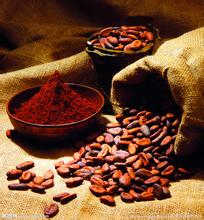
Did the Arab countries start drinking coffee first? which country was the first to drink coffee?
The first cup of coffee in the world was made by Arabs. When Europeans first came into contact with coffee, they called the seductive drink Arabian wine, and in the literature left by many European travelers in the 16th century, Arabs sipped a black honey made from black seeds. Long before Europeans knew about coffee, Arabs knew about it in the 3rd century.

What is the flavor of Yemeni coffee grown organically in mocha Haimi?
Country: Yemen production area: Haima Haimi Farm name: small producing group name: mocha sea secret grade: naturally dried Arabica beans, no regulatory agency, no grading system altitude: 1675m certification: all coffee is grown organically in accordance with the ancient method, without the use of pesticides containing chemicals, etc. Varieties: 10 special local native mocha species to Jaadi,Taf

Bolivian Coffee Bean Flavor Bolivia Coffee Manor South America is rich in coffee beans, Bolivia
South America is rich in coffee beans, and Bolivia is no exception. The unique tropical rain forest environment in some parts of Bolivia provides excellent natural conditions for the growth of organic coffee. The aroma of Bolivian coffee is rich and unique, both the aroma of ground beans and the aroma of coffee are obviously rich, similar to the mixture of flower and fruit aroma, which is impressive.

Introduction to the roasting degree of high-quality coffee beans in Bolivia
The advantage of Bolivian coffee lies in its high altitude and excellent varieties of coffee, where the traditional Tibica and a small amount of Kaddura are highly valued in the world market. In the past, coffee trees in Bolivia used to act as hedges and ornaments around the garden. Real commercial production began in the early 1950s. The great frost in 1957 seriously damaged Pakistan.

Boutique Coffee Culture Journey Coffee Bean Culture Around the World
Coffee may not be the only motivation and reason for your trip, but it is a meaningful trip to the aftertaste. Guangzhou major travel agencies to promote the hotline, but also really can dig out a lot of unknown coffee culture. This shows that every trip you go out, each route is full of a lot of nutritious common sense, when you run all over the world, a lot of scenery is like

South American coffee recommends the unique coffee flavor of South America.
Professional baristas please pay attention to the coffee workshop (Wechat official account cafe_style) South America is rich in coffee beans, especially in Bolivia, the unique rainforest environment in some parts of Bolivia provides excellent natural conditions for the growth of organic coffee. The aroma of Bolivian coffee is rich and unique, whether it is the aroma of ground beans or the aroma of coffee produced.

Ethiopian coffee with a long aftertaste Description Variety Features Price Growing Environment Introduction
Ethiopia is the birthplace of the famous Arabica coffee bean, and the tradition of harvesting wild coffee beans has been maintained to this day. The coffee garden with an altitude of more than 1500 meters has formed a unique coffee terroir after more than a thousand years of evolution and adaptation. Ethiopian coffee grown in a natural wild environment is called wilderness coffee, retaining the most primitive and natural taste of coffee beans.

The mystery of Yemeni mocha coffee varieties what is the Yemeni Udini Udaini coffee variety?
For more information on coffee beans, please follow the coffee workshop (Wechat official account cafe_style) [when did you start growing coffee in Yemen?] Although there are different theories, don't the arguments of the 13th century find it very persuasive? According to Abdar Qadir, an Arab Islamist,

Introduction of taste treatment method for description of brand characteristics and flavor of Mantenin coffee bean baking curve
Mantenin coffee bean roasting curve brand characteristic flavor description taste treatment method introduces roasting: since coffee beans can only retain freshness for 1-7 days after baking, they will begin to lose their taste, leaving only bitterness and no mellow taste. Therefore, self-baking can ensure the freshness of coffee beans. The traditional roaster is drum-type, and this kind of baking method is stewed.